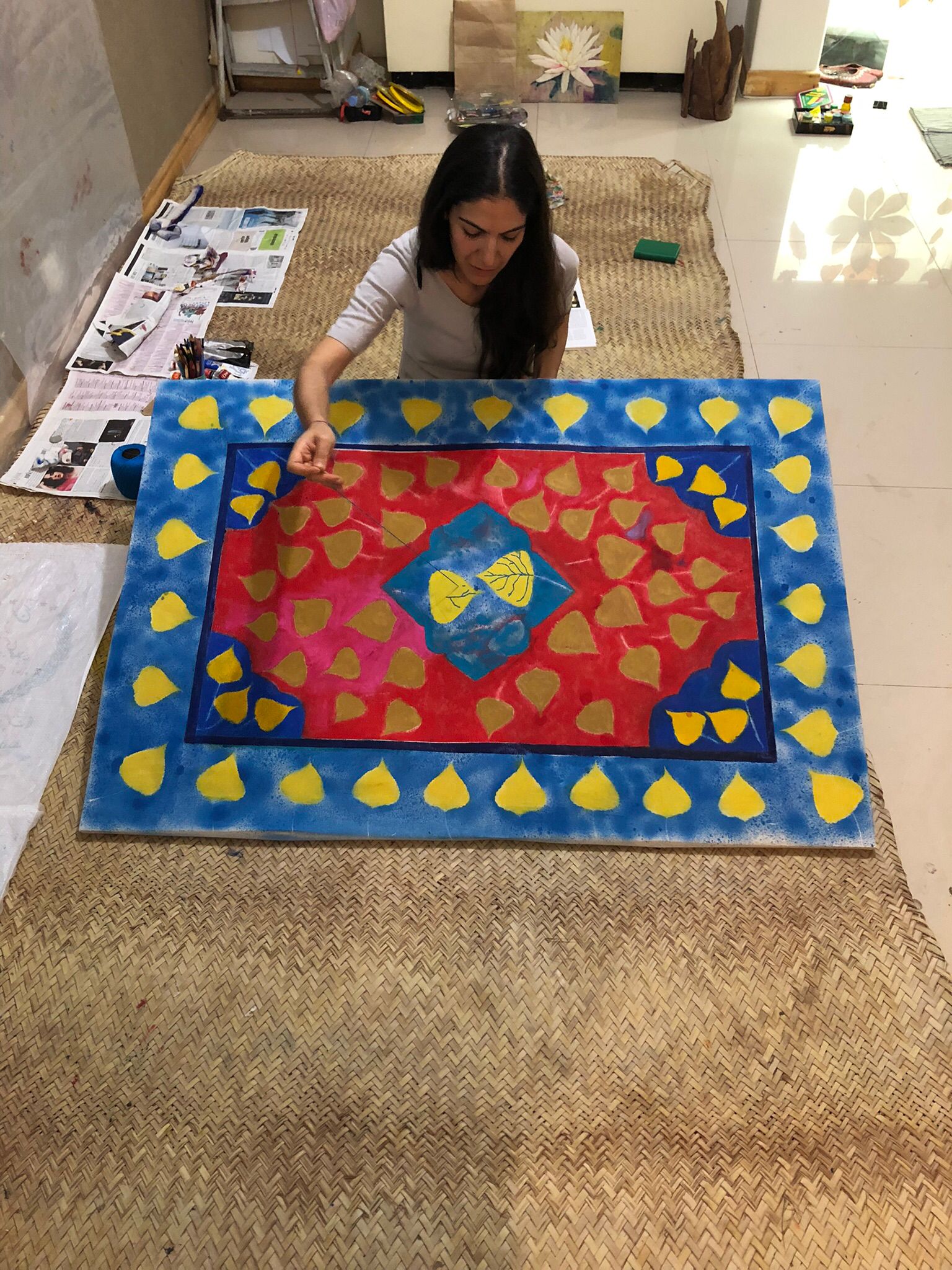
Prayer Rug
Iranian carpet weaves,
rugs that cover surfaces
and soothe me within
interior spaces.
Knotted with love and
the song of women,
a garden of hope.
A thousand-year-old tradition—
yet a dying craft.
The withered garden of my soul,
and the eternal spring beneath my feet.
A carpet on which one sits
and sleeps—
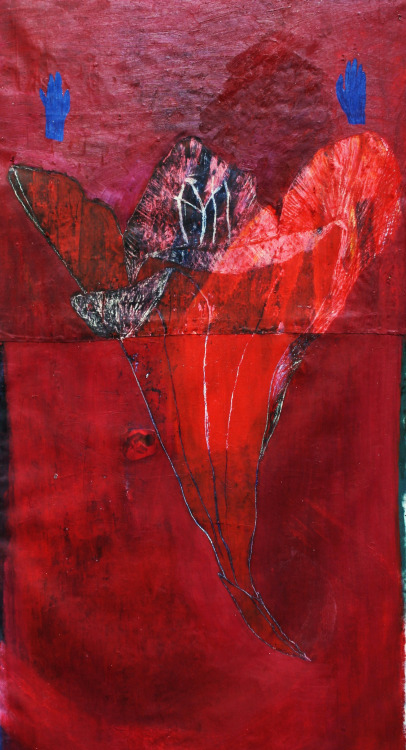
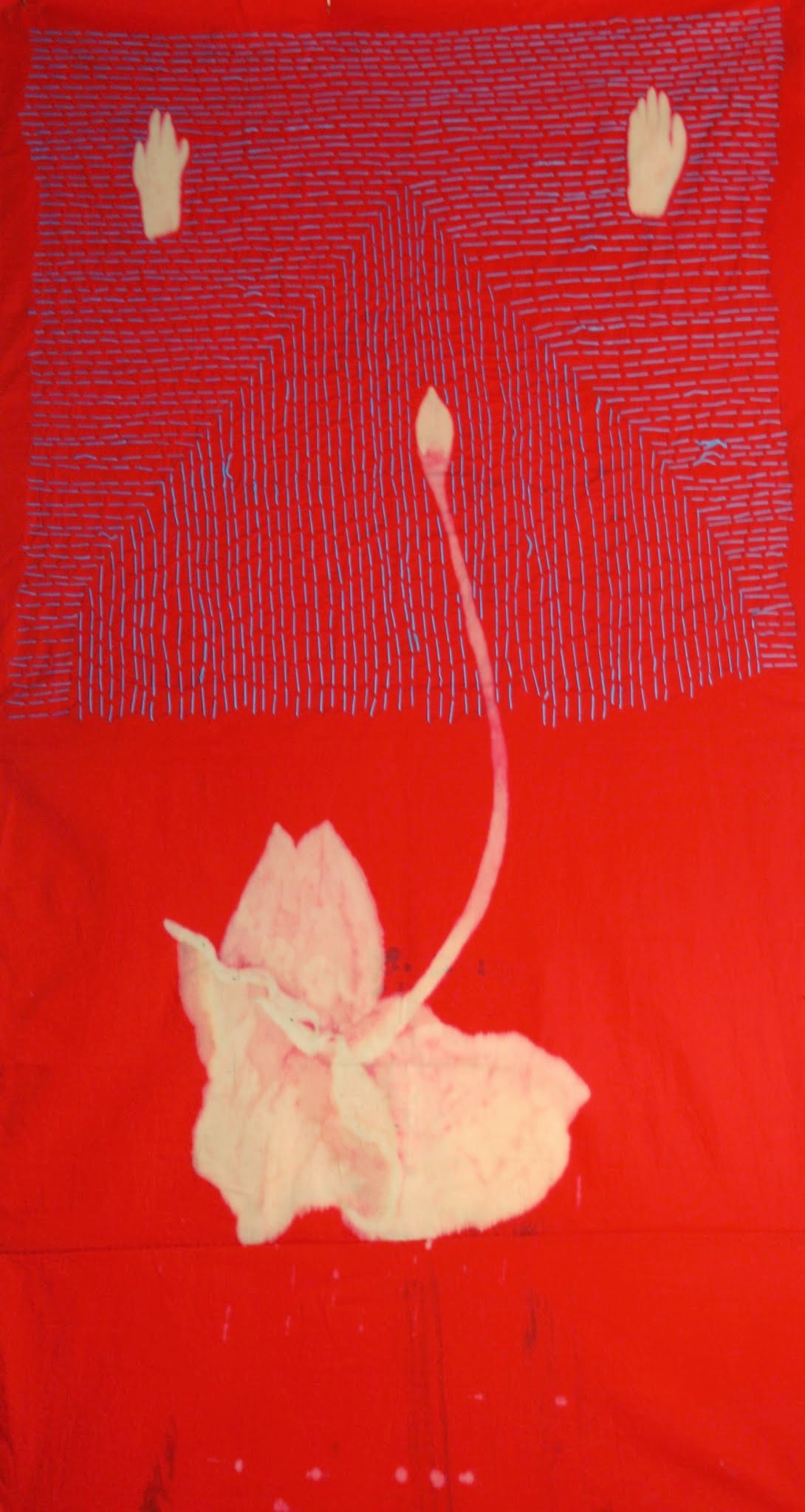
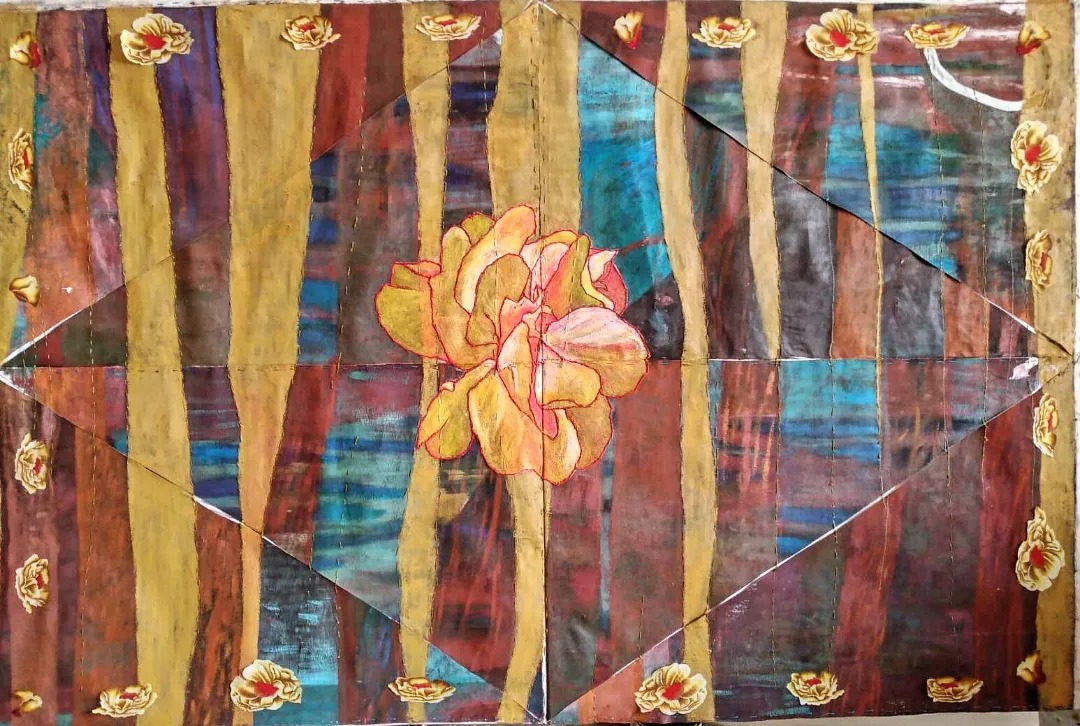
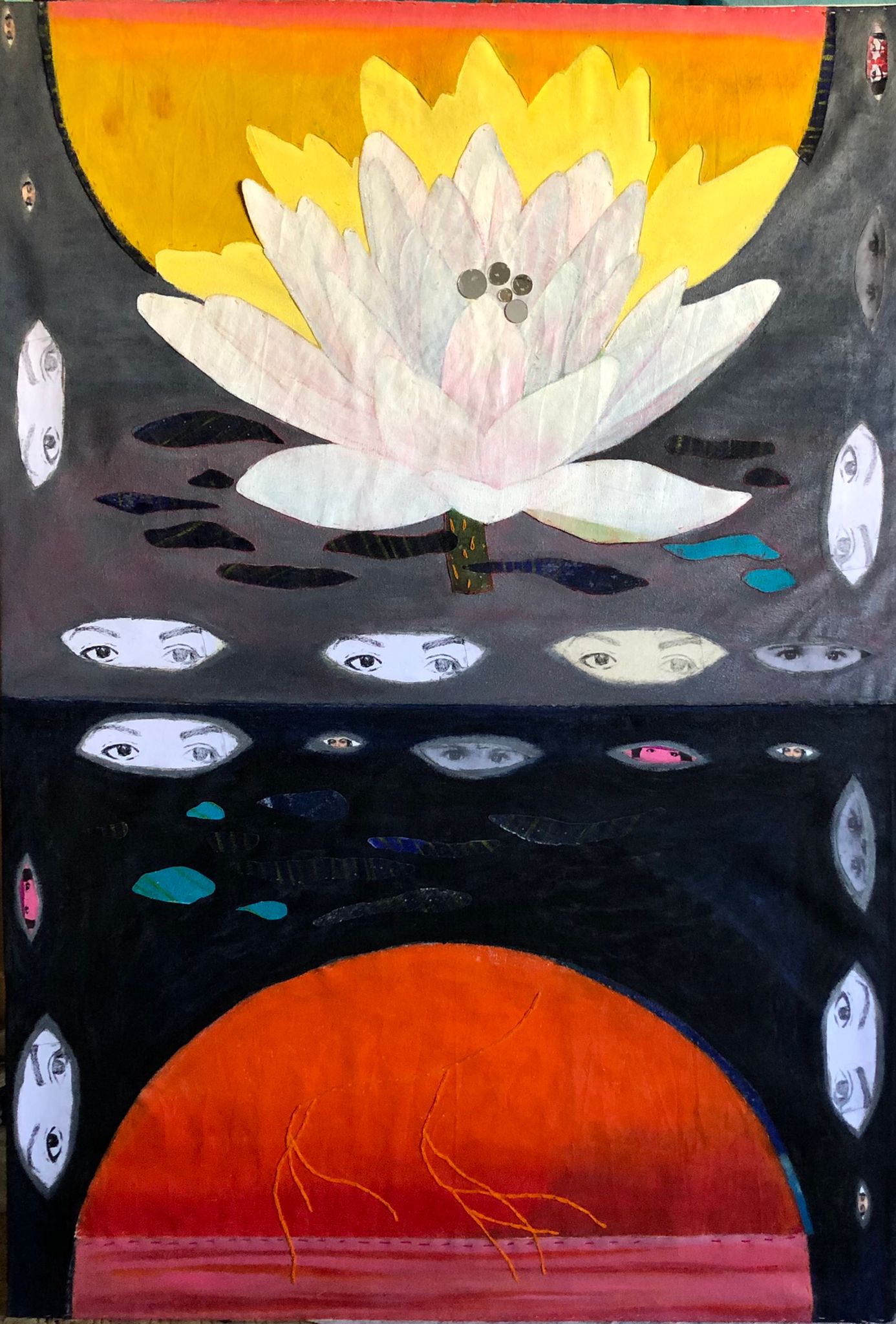
a visual journey from the lotus flower
at its center
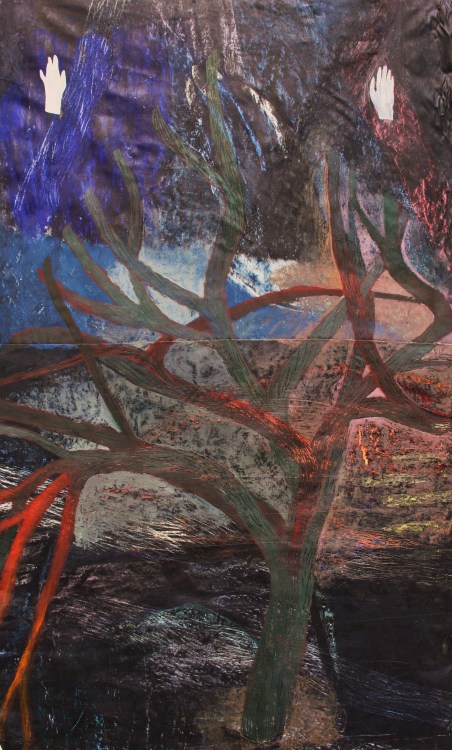
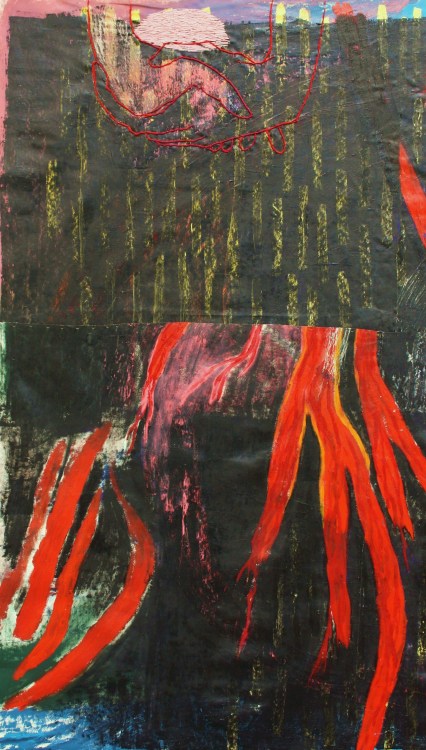
to the rhythm of repeating flowers,
branches, roots,
and birds.
A carpet of hope,
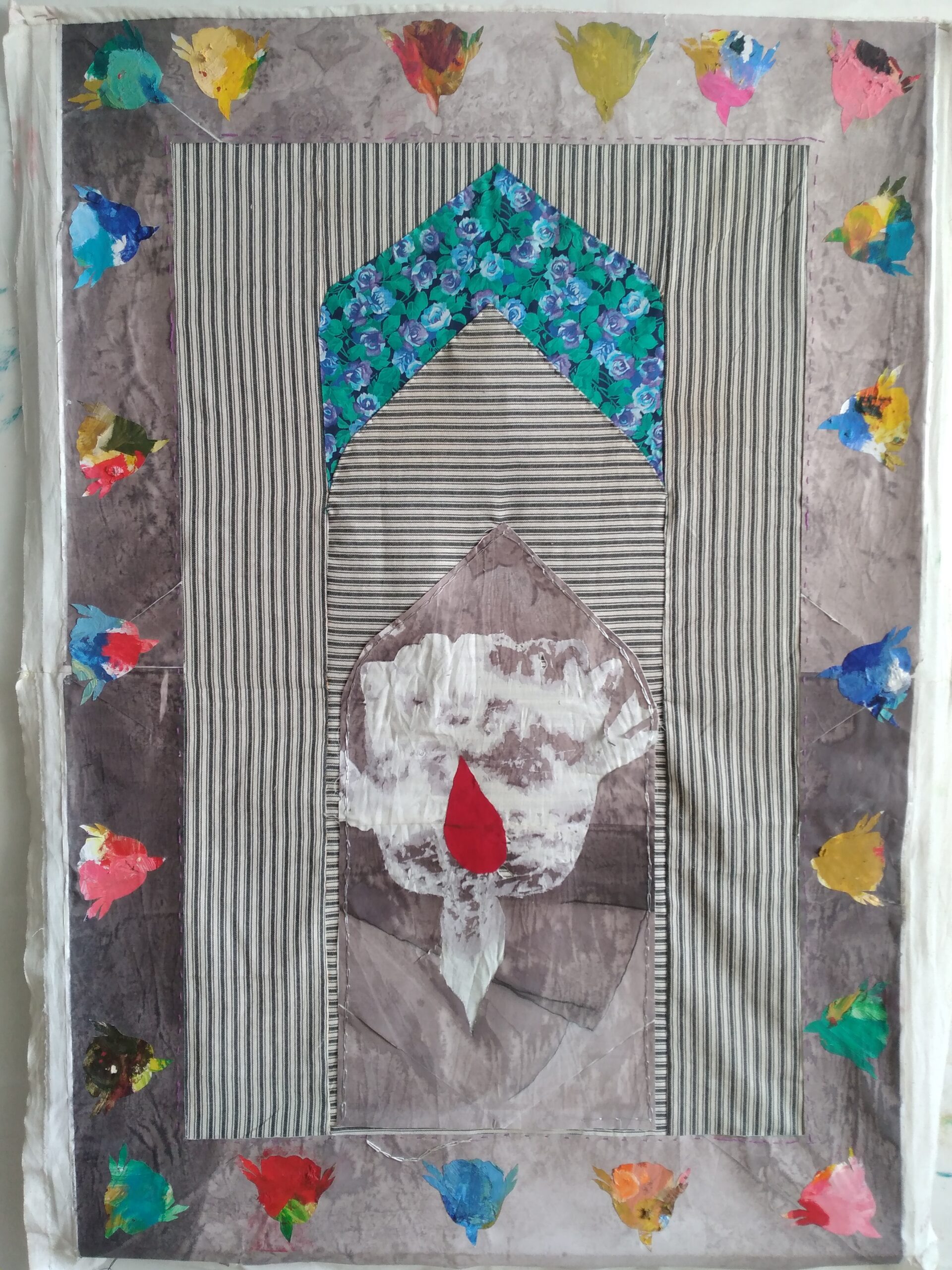
a prayer rug,
suspended between heaven and earth.
Sepideh
A carpet is a woven surface, the product of human creativity and skilled hands—or perhaps it would be more accurate to say women’s hands, since throughout history it has been women who have been the weavers: the daughters of Arachne, who, in her pride, dared to challenge the gods. She won a weaving contest against Athena but was punished for her arrogance, transformed into a spider, and condemned to weave for eternity, spinning the thread from her mouth.
(“O foolish Arachne, I saw you already half spider, wretched upon the remnants of your work, that ill-fated web.” — Dante Alighieri, Purgatorio, Canto XII.)
Perhaps this is why weaving, and carpet-making in particular, is also a form of storytelling—a narrative that unfolds knot by knot through minute patterns that often become symbols, assuming universal meanings in which anyone, from any culture, can recognize themselves.
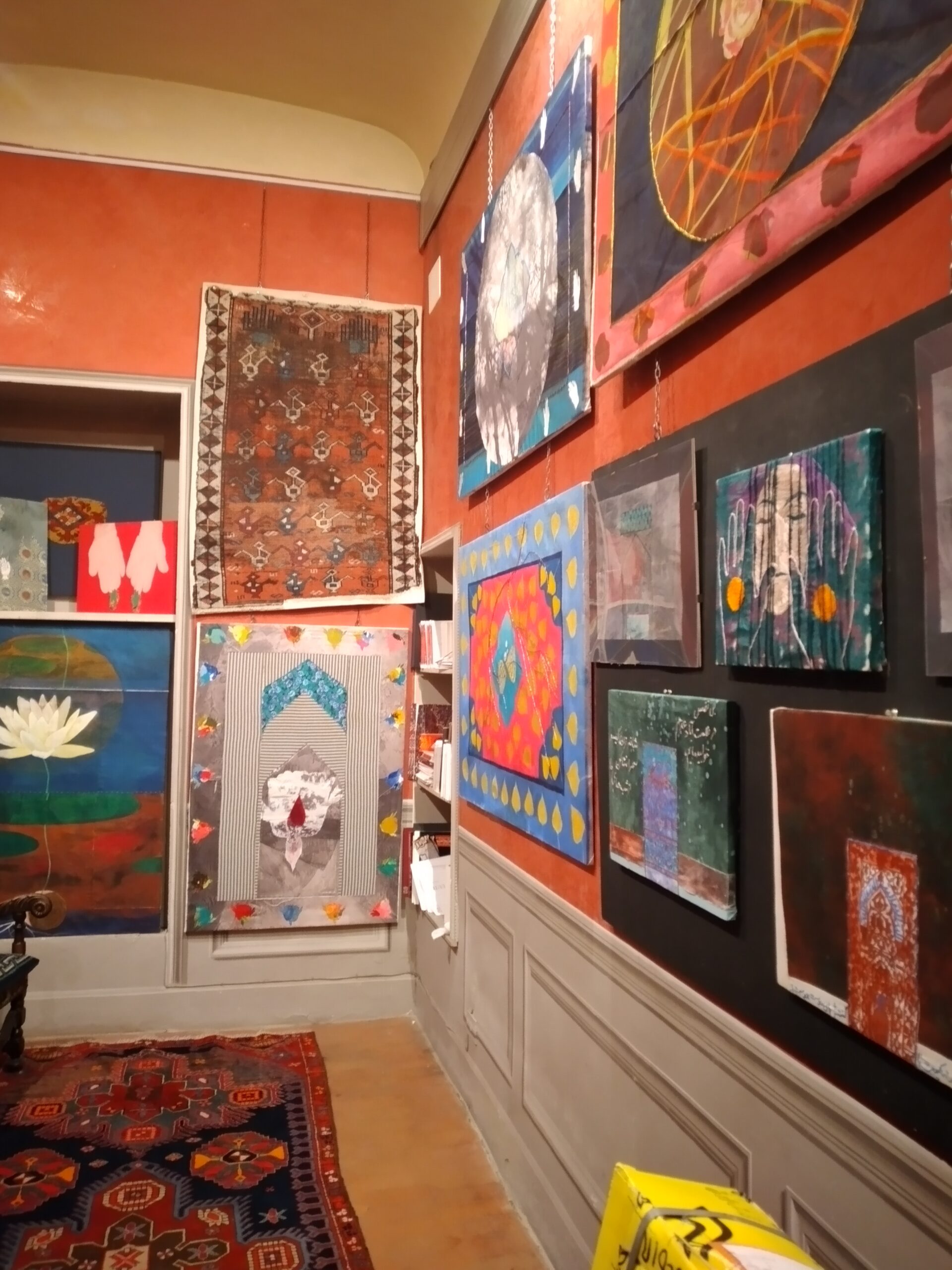
A carpet is not merely a way to decorate an interior; it is, in itself, a space—a bounded space that one might even call sacred. For Muslim believers, the carpet plays an important role in prayer, marking a clean place upon which to kneel and bow.
The prayer carpet (in Arabic, sajjāda) is a piece of fabric used
during the five daily prayers (Ṣalāt). Every devout Muslim must perform an ablution (wudu), washing hands and feet before
beginning prayer.
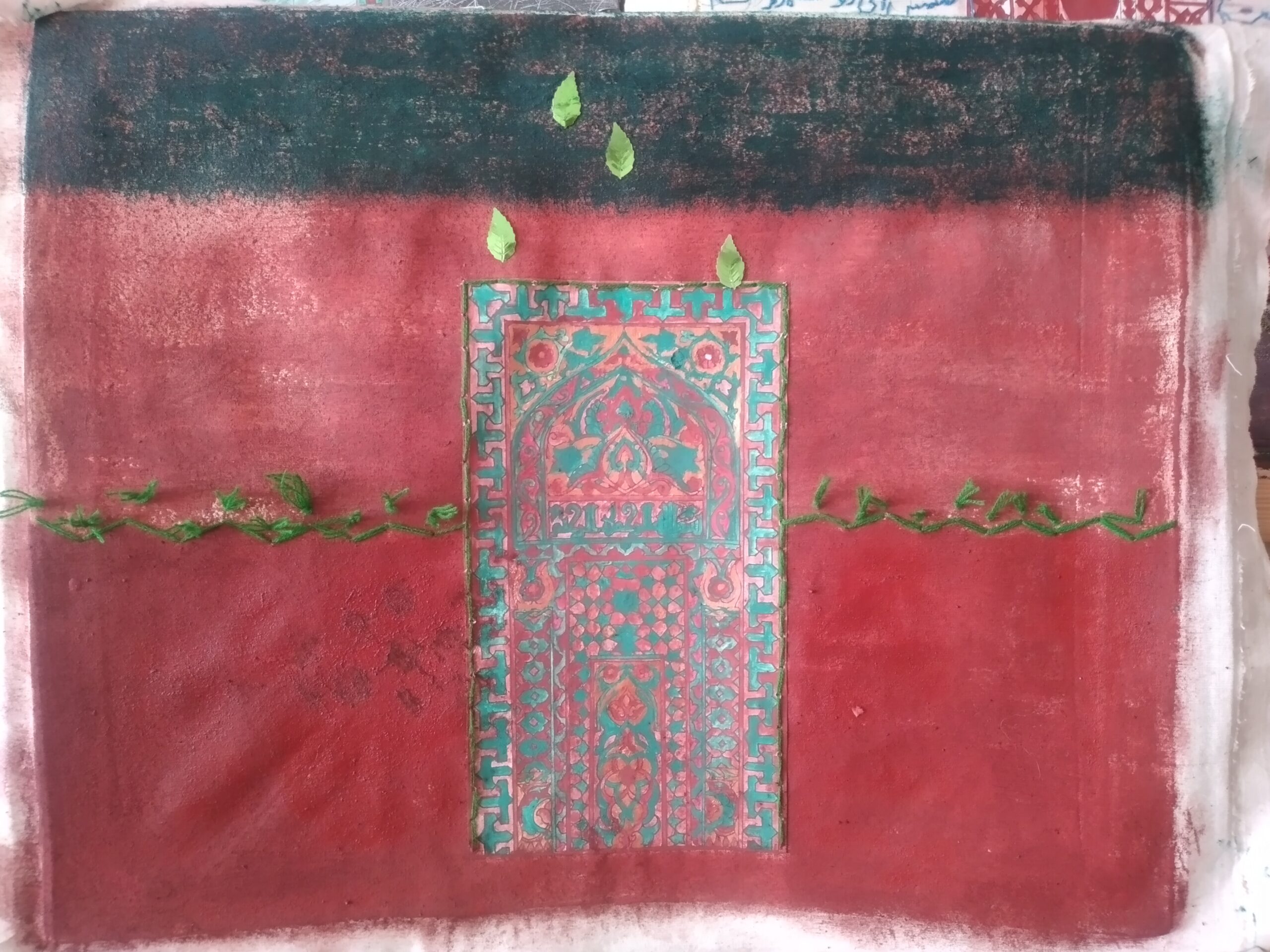
The place of prayer thus becomes a sacred space, and the carpet also serves to indicate the direction of Mecca. For this reason, prayer rugs always feature a directional design, usually an architectural motif of a portal or niche called a mihrab—just like those found in mosques, indicating the qibla, the direction toward Mecca.
It is interesting to note that the “sacred” dimension of a sajjāda may be enhanced by its decoration, which can contain easily recognizable symbolic elements. Among these, the most common and meaningful is the motif of the lamp hanging from the apex of the mihrab. It recalls the lamps of the mosques and refers to a verse in the Qur’an.
In addition to the lamp, other recurring motifs appear, such as the amphora or ewer (ibrik), reminding the faithful of the ritual ablution.
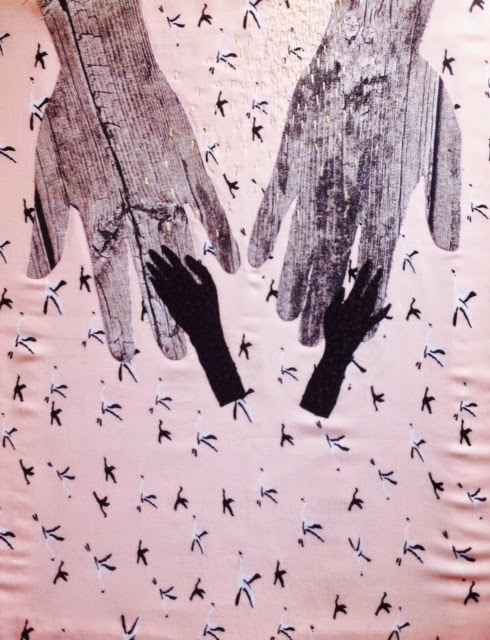
Sometimes stylized hands are depicted on either side of the niche, showing the position where the believer should place them while prostrating in prayer.
For centuries, the carpet has been an object of trade and exchange, traveling across countries and continents, carrying a message understood by all—though interpreted differently by each culture.
In this sense, the carpet becomes something beyond the notion of a “sacred space”: it is a metaphor for humanity itself, standing before the Divine in its continuous search for meaning in existence.
Alberto Boralevi